


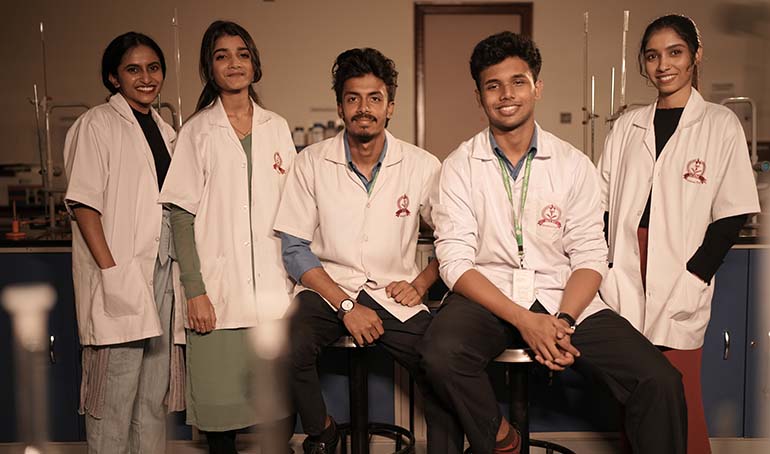
Bachelor of Emergency Medical Technology (B.EMT)
The Bachelor of Emergency Medical Technology (B.EMT) is a 4-year undergraduate program designed to prepare students to provide immediate medical care during emergencies, accidents, disasters, and critical health situations. The program combines theoretical knowledge with extensive clinical training in emergency departments, ambulances, trauma centers, and intensive care units.
Students learn emergency patient assessment, trauma management, cardiac emergencies, life support techniques, disaster response, and pre-hospital care to become skilled emergency healthcare professionals.
The curriculum integrates anatomy, physiology, nephrology, dialysis technology, patient care, and infection control practices.
Dialysis Patient Care
Graduates provide comprehensive care to patients undergoing hemodialysis and peritoneal dialysis treatments.
Dialysis Equipment Management
They are trained to operate, maintain, and troubleshoot dialysis machines while ensuring patient safety and treatment effectiveness.
Renal Disease Management
Professionals assist nephrologists in monitoring patients with acute and chronic kidney disorders and managing treatment plans.
Infection Prevention and Safety
Dialysis technologists play a critical role in maintaining strict infection control protocols and ensuring a safe clinical environment.
Clinical Monitoring
They continuously assess patients during dialysis sessions, monitoring vital signs and responding to complications when necessary.
Healthcare Team Collaboration
Graduates work closely with nephrologists, nurses, dietitians, and other healthcare professionals to deliver coordinated patient care.
Research and Quality Improvement
Opportunities exist to participate in clinical research, quality assurance programs, and advancements in renal care technologies.
