MVM College of Speech & Hearing and Vākśravaṇa Clinic
Hearing Aid Services
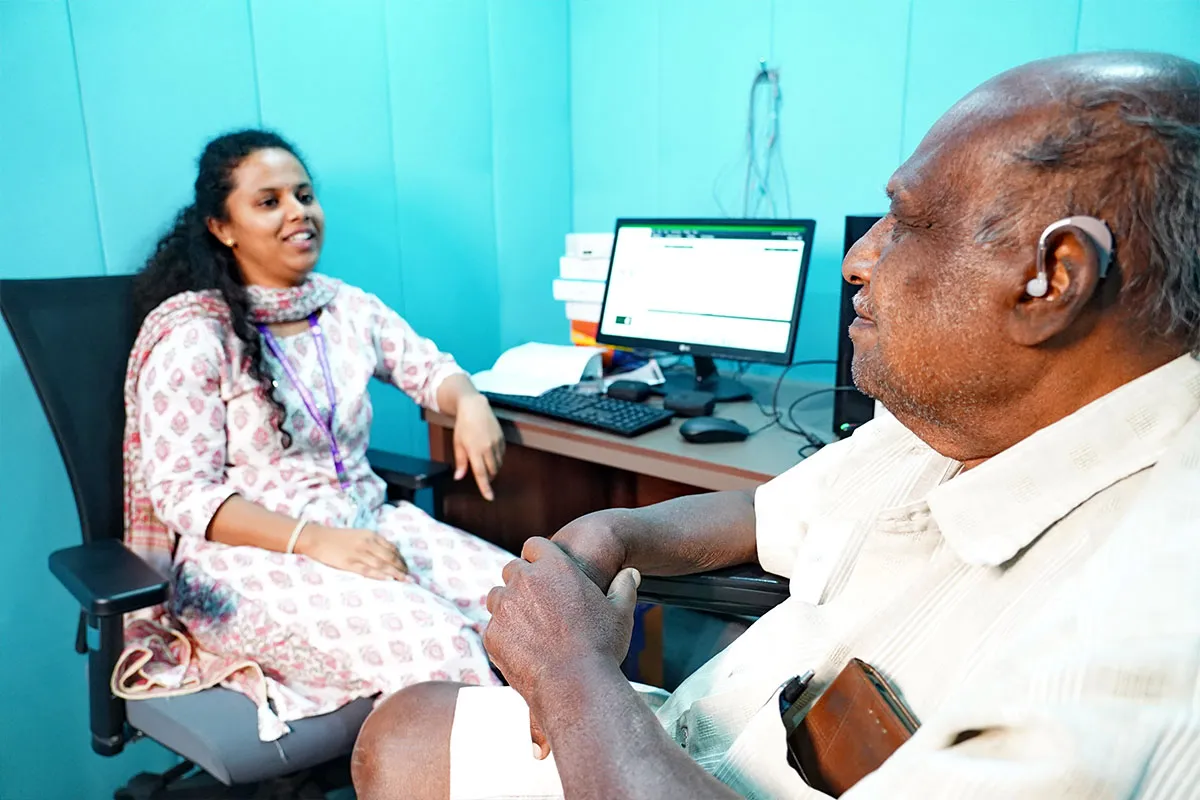
Hearing aids, fitted and followed up by Audiologists
A hearing aid works well only when it is chosen for the person's hearing loss, programmed for their ears, checked, and adjusted over time. Our Audiologists take you through each of these steps — for adults and for children — and stay with you after the fitting.
Who can benefit from a hearing aid?
- Anyone with a permanent hearing loss that makes conversation, work, school or television harder — from mild to severe.
- Children of any age, including babies, once a hearing loss has been confirmed.
- Candidacy is decided after a full hearing evaluation. Where a medical cause needs treatment first, we refer you to an ENT doctor.
- If a hearing loss is too severe for hearing aids to help enough, we discuss a cochlear implant evaluation.
From first test to follow-up
1. Hearing evaluation
A complete hearing assessment to measure the type and degree of hearing loss in each ear.
2. Hearing aid evaluation and trial
We try suitable hearing aids in the clinic so you can hear the difference before deciding.
3. Selection
We help you choose the style and features that suit your hearing loss, lifestyle, ease of handling and budget.
4. Fitting and programming
The hearing aid is programmed to your audiogram, and the fit in the ear is checked for comfort.
5. Verification (REM)
Real Ear Measurement checks, inside your own ear, that the hearing aid is giving the sound it should.
6. Counselling
You and your family learn how to use, clean and look after the hearing aid, and what to expect.
7. Follow-up care
Regular reviews to fine-tune the settings as you get used to the hearing aid and as your hearing changes.
Types of hearing aids
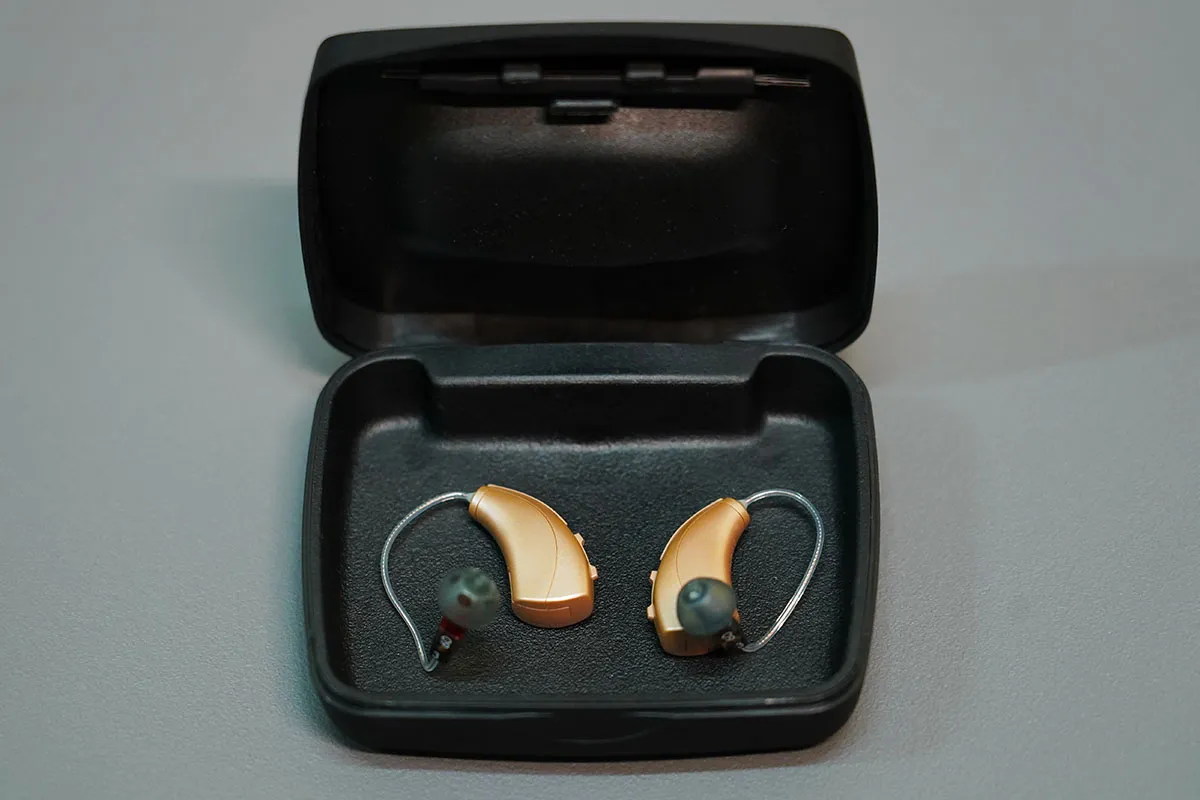
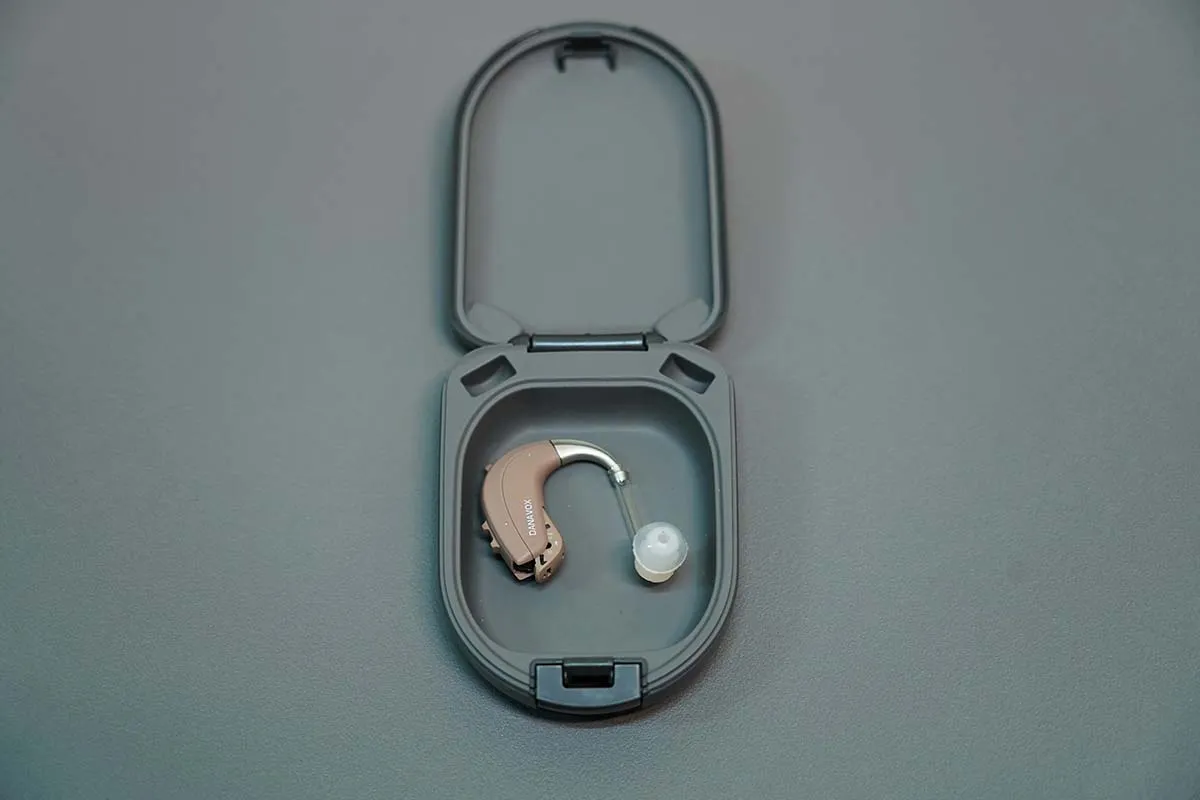
BTE — Behind-the-Ear
Sits behind the ear, with a tube and earmould or dome in the ear. Suits all degrees of hearing loss, and is the usual choice for children.
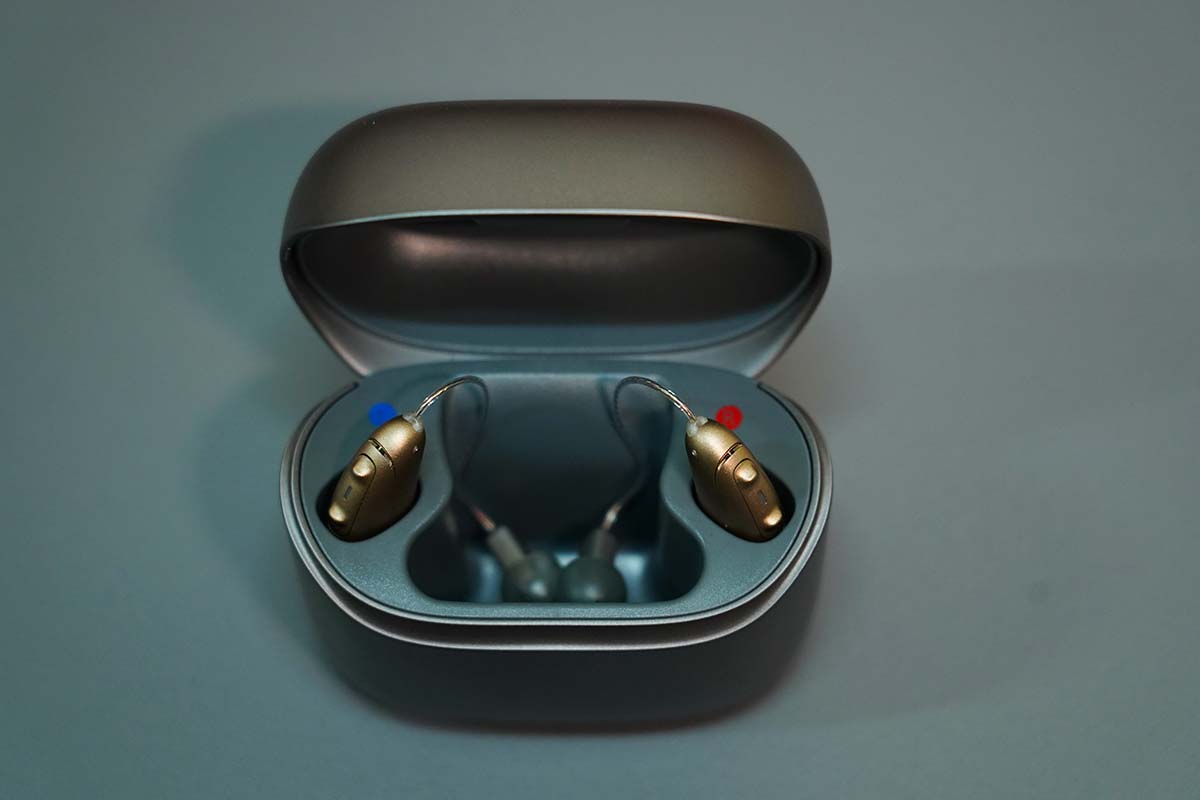
RIC — Receiver-in-Canal
A small unit behind the ear with the speaker in the ear canal. Discreet and natural-sounding; suits mild to severe losses.
ITE — In-the-Ear
Custom-made to fill the outer ear. Easy to handle; suits mild to severe losses.
CIC — Completely-in-Canal
Custom-made to sit deep in the ear canal, almost invisible. Suits mild to moderate losses and ear canals large enough to hold it.
How we measure your benefit
We do not rely only on how the hearing aid feels. After fitting we measure:
- Aided thresholds — the softest sounds you can hear with the hearing aid on.
- Speech scores — how many words you understand with the hearing aid, in quiet and in background noise.
- Real Ear Measurement (REM) — verification that the hearing aid output matches the target for your hearing loss.
- Your own experience — how you are managing at home, at work and in conversation, reviewed at every follow-up.
Hearing aids for children
- Early intervention: hearing loss found through newborn screening, OAE or BERA is followed by hearing aid fitting as early as possible, so the child can hear speech while language is developing.
- Earmoulds: soft custom earmoulds keep the hearing aids secure; they are remade as the child's ears grow.
- Paediatric fitting: the hearing aids are programmed and verified for the child's small ear canals.
- Frequent follow-ups: regular hearing checks and adjustments through the early years.
- Therapy: Auditory Verbal Therapy and speech & language therapy help the child learn to listen and talk.
Using your hearing aid: realistic expectations
- Hearing aids make sounds clearer and easier to hear; they do not restore normal hearing.
- It takes a few weeks for the brain to get used to sounds it has not heard for a while. Wearing the hearing aids every day helps.
- Noisy places are the hardest. Accessories and good listening habits make them easier.
- We show you how to clean the hearing aids, change batteries or charge them, and protect them from moisture.
Assistive listening devices and accessories
- Remote microphones for classrooms, meetings and conversations in noise
- TV and phone streaming, and Bluetooth connection to mobile phones
- Amplified phones and alerting devices, such as vibrating alarm clocks
- Batteries, chargers, domes, filters and drying kits
We advise which devices are worth having for your needs.
Warranty, repairs and after-sales service
- Hearing aids carry the manufacturer's warranty. The length and what it covers depend on the brand and model, and we explain them before you buy.
- We clean and check hearing aids, carry out minor repairs, and re-programme them when your hearing or needs change.
- Where a hearing aid needs a manufacturer repair, we arrange it for you.
Book a hearing aid consultation
Call the clinic on 96060 80649 or request an appointment online. If you already use hearing aids, please bring them and your latest hearing test report.
Book an appointment at Vākśravaṇa Speech & Hearing Clinic
Tell us what you need and the clinic will call you back to confirm a time.