MVM College of Speech & Hearing and Vākśravaṇa Clinic
Hearing Tests & Audiology
Our Audiologists test hearing and balance in newborns, children and adults, explain the results, and plan the right treatment — from hearing aids to Auditory Verbal Therapy.
Hearing Services
Diagnostic Audiology
Rehabilitative Audiology
Diagnostic Audiology Services
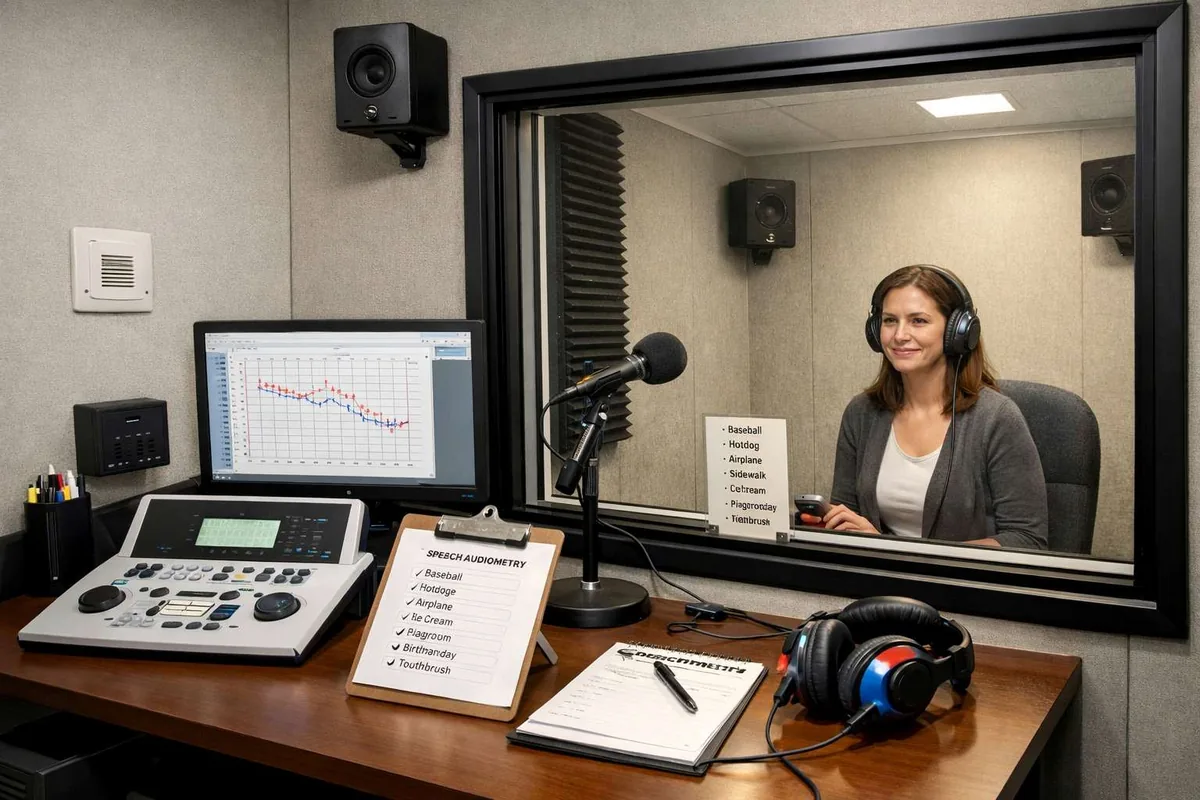
Pure Tone Audiometry (PTA) and Speech Audiometry
Pure Tone Audiometry finds the softest sounds a person can hear at different pitches (frequencies). Tones are played through headphones (air conduction) and through a small vibrator behind the ear (bone conduction), in a sound-treated booth. The result, an audiogram, shows whether there is a hearing loss, how severe it is and which part of the ear it comes from.
Speech Audiometry measures how well a person hears and understands speech — the softest level at which words are recognised, and the percentage of words understood at a comfortable level. It helps plan hearing aid fitting and therapy.
Electrophysiological Tests
These tests record the ear's and the hearing nerve's responses to sound, without the patient needing to reply. They are used for newborns, young children, people who cannot take part in behavioural tests, and to locate where along the hearing pathway a problem lies.
BERA (Brainstem Evoked Response Audiometry)
Records the response of the hearing nerve and brainstem to clicks or tones. Used to estimate hearing levels in newborns and hard-to-test patients.
MLR (Middle Latency Response)
Records responses from the higher auditory pathway, above the brainstem. Helps assess the auditory pathway to the cortex.
LLR (Late Latency Response)
Records responses from the auditory cortex. Used in the assessment of auditory processing and hearing thresholds.
OAE (Otoacoustic Emissions)
Measures the function of the outer hair cells within the cochlea of the inner ear. Quick and painless; the standard newborn hearing screening test.
P300
A cognitive response that reflects auditory attention and the brain's ability to tell sounds apart.
ECochG (Electrocochleography)
Records the electrical activity of the cochlea and the hearing nerve. Helps in the evaluation of Ménière's disease.
SN10
A slow brainstem response to low-pitched tone bursts, used to estimate low-frequency hearing.
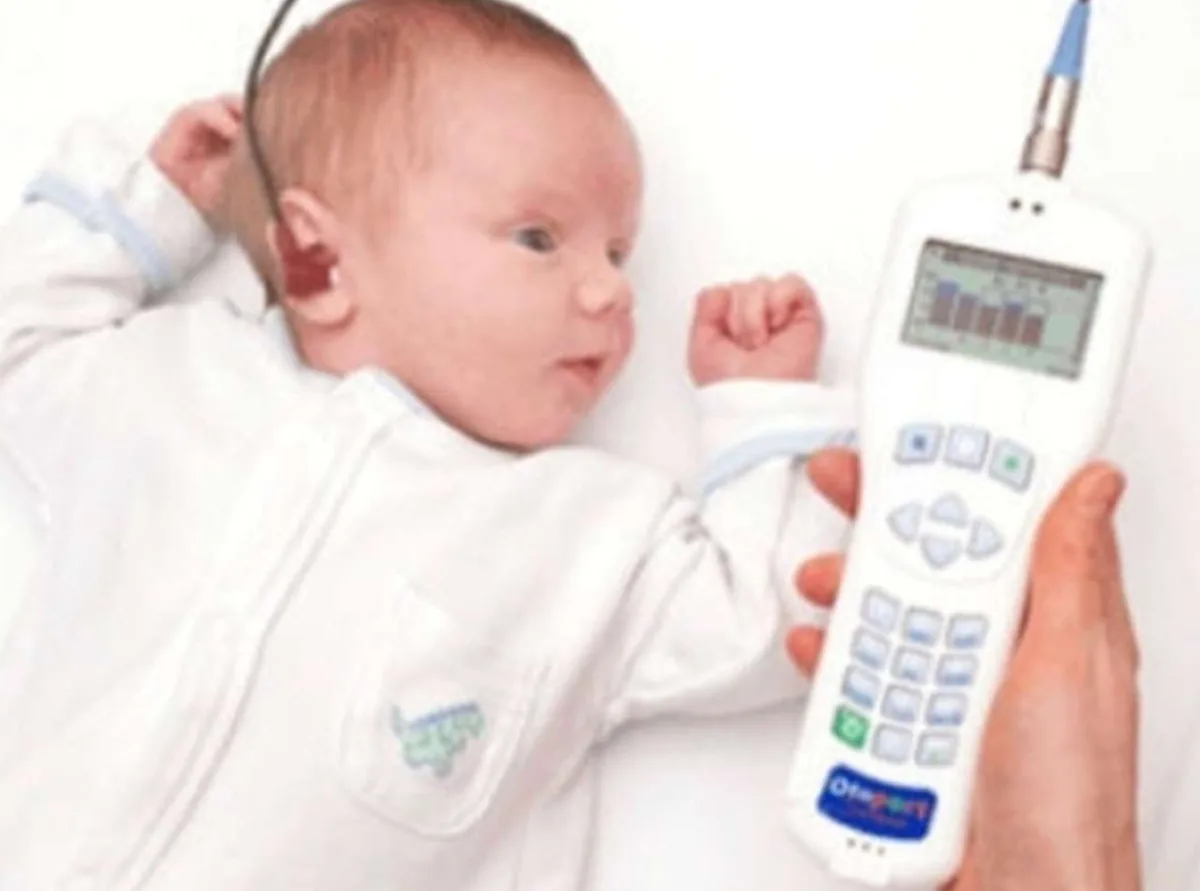
Otoacoustic Emissions (OAE) screening
Otoacoustic Emissions (OAE) screening tests measure the function of the outer hair cells within the cochlea of the inner ear. A soft probe placed in the ear canal plays sounds and records the tiny echoes a healthy cochlea sends back.
The test takes a few minutes, is completely painless, and can be done while a baby sleeps — which is why it is used to screen the hearing of newborns.
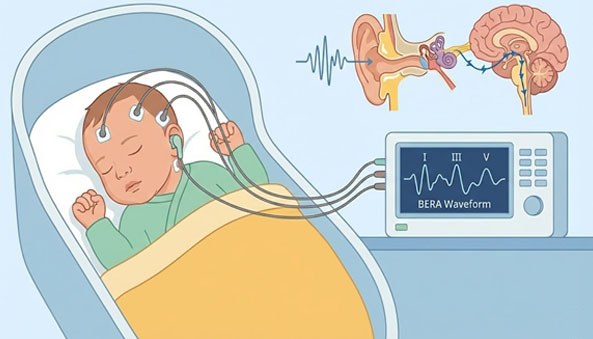
BERA for babies and young children
When a baby does not pass OAE screening, or when a child cannot respond reliably to sounds, BERA estimates hearing levels from the brainstem's response. Small sensors are placed on the head while the child sleeps; no reply from the child is needed.
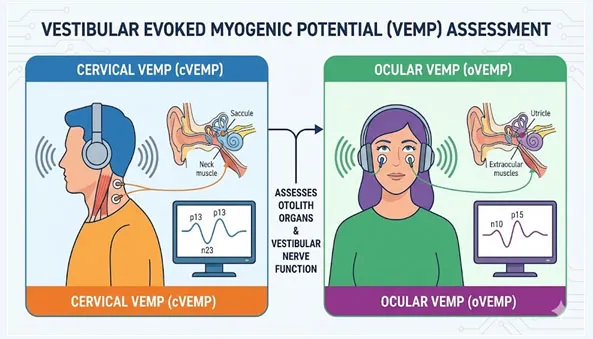
Vestibular Assessment & Rehabilitation
Assessment: tests such as Vestibular Evoked Myogenic Potentials (VEMP) examine the balance organs of the inner ear, to find the cause of dizziness, vertigo or unsteadiness.
Rehabilitation: a personalised programme of exercises that helps the brain adapt to an inner-ear balance problem, reducing dizziness and improving steadiness and confidence in daily activities.
Other hearing assessments
- Immittance audiometry (middle-ear function)
- Tinnitus evaluation
- Central Auditory Processing tests
- Infant hearing screening
- Pre-cochlear implant candidacy evaluation
Rehabilitative Audiology Services
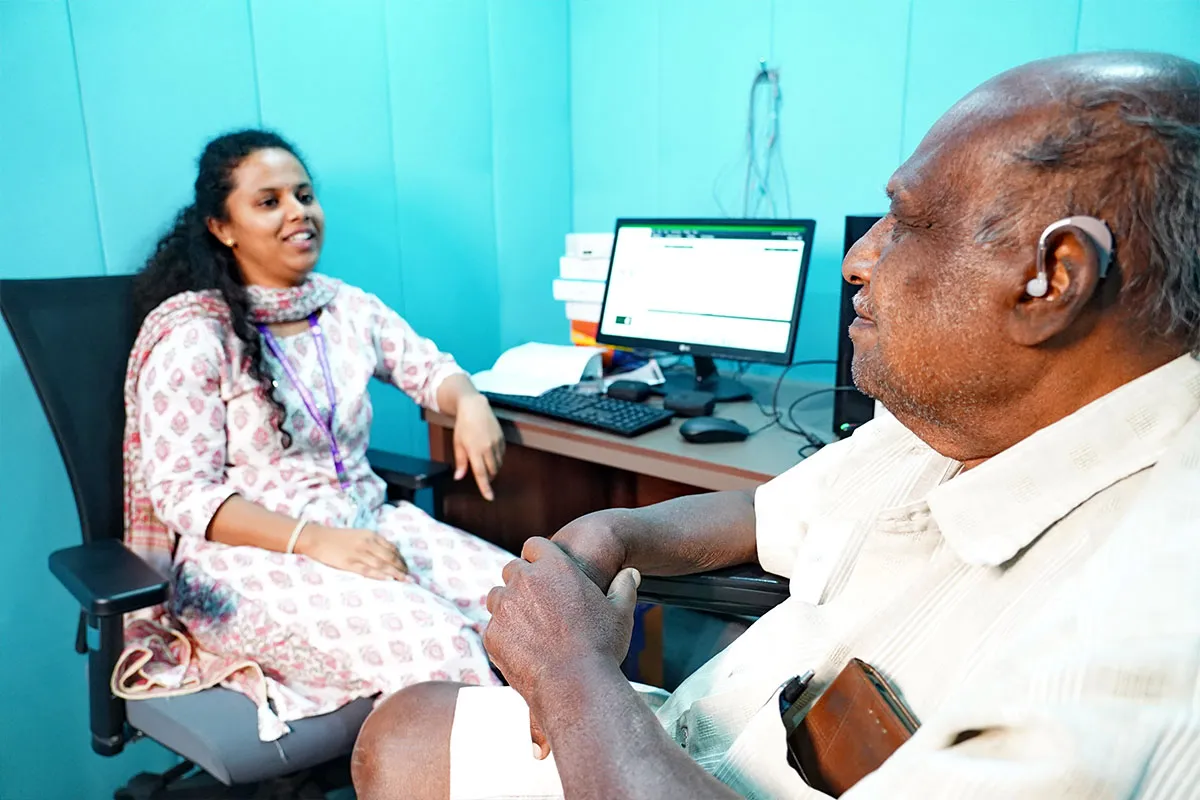
Hearing Aid Services
Hearing aid evaluation, selection, fitting, verification and follow-up care for children and adults, with counselling on use and care.
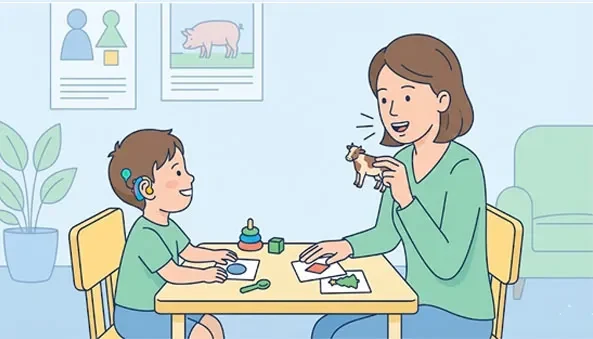
Auditory Verbal Therapy (AVT)
Auditory Verbal Therapy helps children with hearing loss who use hearing aids or cochlear implants learn to listen and to talk through listening. Parents take part in every session and learn how to build listening and spoken language into everyday routines at home.
We also offer aural rehabilitation for adults and families: counselling, communication strategies and listening practice, to adjust to and manage hearing loss.
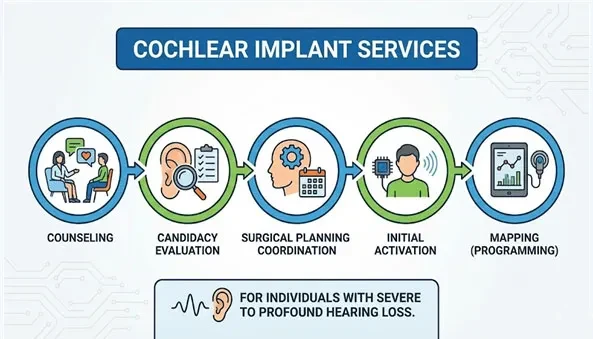
Cochlear Implant Services
Counselling, candidacy evaluation, surgical planning coordination, initial activation, and mapping (programming) of cochlear implants for individuals with severe to profound hearing loss.
Book a hearing test
Call the clinic on 96060 80649 or request an appointment online. Please bring any previous hearing test reports and your hearing aids, if you use them.
Book an appointment at Vākśravaṇa Speech & Hearing Clinic
Tell us what you need and the clinic will call you back to confirm a time.